Claim Your Free Saltwater Conversion Today
Hiring a Swimming Pool Contractor in Horizon City, TX
What to Expect When Building Your Dream Pool
Quality Pool Solutions for Your Home
Understanding the Role of a Pool Contractor
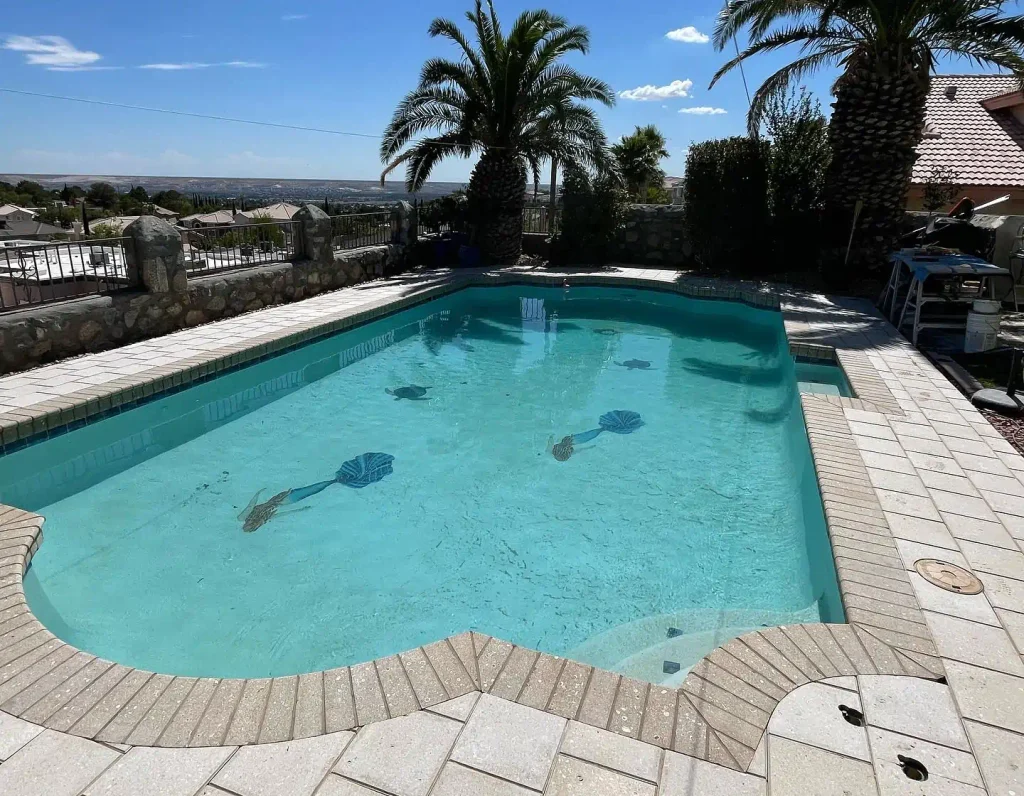
When planning to add a pool to your property, understanding what a pool contractor does is essential. These professionals handle every aspect of pool construction, from initial design consultations to final installation. They coordinate with engineers, obtain necessary permits, and ensure that all work complies with local building codes and safety regulations. A qualified contractor brings technical knowledge about soil conditions, drainage requirements, and structural integrity that homeowners simply cannot replicate on their own.
In Horizon City, where the desert climate presents unique challenges like extreme heat and soil composition variations, working with a knowledgeable contractor becomes even more critical. They assess your property’s specific conditions, recommend appropriate materials that withstand temperature fluctuations, and design systems that minimize water evaporation. Beyond construction, many contractors offer ongoing maintenance plans and equipment upgrades to keep your investment in optimal condition.
The right professional transforms your vision into a functional, beautiful outdoor space while navigating the complexities of permitting, excavation, plumbing, electrical work, and finishing touches that make your pool both safe and stunning.
Key Factors to Consider Before Hiring
Selecting the right professional for your pool project requires careful evaluation of several important factors. First, verify licensing and insurance coverage to protect yourself from liability and ensure the contractor meets state requirements. Request references from recent clients and visit completed projects when possible to assess workmanship quality firsthand.
Experience matters significantly in this industry, particularly with the specific type of pool you want, whether fiberglass, concrete, or vinyl liner. Ask detailed questions about their process, timeline expectations, and how they handle unexpected issues like rock formations or utility lines discovered during excavation. Financial transparency is equally important. Obtain multiple detailed written estimates that break down costs for materials, labor, permits, and additional features. Be wary of quotes that seem unusually low, as they may indicate corner-cutting or hidden fees that surface later. Communication style also deserves attention.
A contractor who listens carefully to your preferences, explains technical details in understandable terms, and responds promptly to inquiries will likely provide a smoother experience throughout the project. Finally, review contract terms thoroughly before signing, ensuring that payment schedules, warranties, completion dates, and change order procedures are clearly defined. Taking time to properly vet candidates prevents costly mistakes and ensures your pool project meets your expectations from start to finish.
Common Pool Types and Design Options
Pool construction offers numerous design possibilities, each with distinct advantages depending on your budget, timeline, and aesthetic preferences. Fiberglass pools arrive as pre-formed shells that are set into excavated holes, offering quick installation, smooth surfaces that resist algae growth, and lower long-term maintenance requirements. These work particularly well in areas with stable soil conditions and suit homeowners who want faster project completion. Concrete pools, often called gunite or shotcrete pools, provide maximum customization in shape, size, and depth. They accommodate elaborate water features, beach entries, and unique configurations that match architectural styles or landscape designs.
While concrete pools require longer construction periods and more intensive maintenance, they offer unmatched durability and design flexibility. Vinyl liner pools present a budget-friendly option with smooth surfaces and relatively quick installation times, though liners typically need replacement every seven to ten years. Beyond the basic structure, consider features that enhance functionality and visual appeal. Spillover spas create a resort-like atmosphere, while LED lighting systems transform evening entertainment spaces. Tanning ledges provide shallow lounging areas perfect for young children or relaxation. Waterfalls, fountains, and deck jets add movement and soothing sounds to your outdoor environment.
In Horizon City’s warm climate, features like sun shelves and integrated shade structures address the intense summer sun while automated covers help reduce water evaporation and maintain temperature. Discussing these options with your contractor helps identify which features align with your lifestyle, property characteristics, and maintenance preferences.
The Construction Process Timeline
Understanding the typical construction timeline helps set realistic expectations for your project. The process begins with design consultations where you discuss your vision, budget, and site-specific considerations. Your contractor conducts a site survey, evaluates soil conditions, and checks for underground utilities. This planning phase typically takes two to four weeks, depending on design complexity and permit approval times.
Once permits are secured, excavation begins. Heavy machinery removes soil to create the pool cavity, a process that usually takes one to three days for residential projects. Next comes the installation of steel reinforcement and plumbing lines, followed by the pool shell construction, which varies by pool type. Fiberglass shells can be set in a single day, while concrete applications require several days for spraying and curing. After the shell is complete, electrical work for lighting, pumps, and heaters gets installed. Decking and coping installation follows, creating the finished edge around your pool. This phase includes pouring concrete, setting pavers, or installing natural stone, depending on your material choices.
The final steps involve equipment installation, plastering or liner placement, filling the pool, and balancing the water chemistry. Weather conditions significantly impact timelines, particularly during Horizon City’s monsoon season when sudden storms can delay outdoor work. From start to finish, expect most residential pool projects to take eight to twelve weeks, though custom designs with elaborate features may extend beyond this range. Regular communication with your contractor throughout each phase ensures you stay informed about progress and any adjustments to the schedule.
Maintenance and Long-Term Care
Proper maintenance protects your investment and ensures years of enjoyment from your pool. Regular tasks include skimming debris, vacuuming the pool floor, brushing walls to prevent algae buildup, and maintaining proper water chemistry through testing and chemical adjustments. Filtration systems require periodic cleaning, with cartridge filters needing rinses every few weeks and sand filters requiring backwashing. Pump baskets should be emptied regularly to maintain optimal circulation and prevent equipment strain.
In Horizon City’s environment, where dust storms and high temperatures are common, pool covers become valuable tools for reducing debris accumulation and minimizing water loss through evaporation. Seasonal maintenance demands additional attention. During the swimming season, which extends longer here than in many regions, increased usage requires more frequent chemical testing and filter cleaning. Equipment inspections should occur at least annually, checking for leaks, worn seals, and motor performance issues before they become costly repairs.
Tile cleaning removes calcium deposits that accumulate along the waterline, particularly in areas with hard water. Resurfacing becomes necessary every ten to fifteen years for concrete pools, while vinyl liners require replacement on similar schedules. Blue Diamond Poolz offers maintenance services alongside installation and remodeling work, providing clients with a single trusted resource for all pool care needs. Their team understands local conditions that affect pool maintenance, from mineral content in the water supply to seasonal challenges unique to the region.
Whether you need routine service, equipment upgrades, or major repairs like crack fixes or tile replacement, working with professionals who know your pool’s construction history ensures quality outcomes. Establishing a maintenance relationship with your contractor from the beginning creates continuity of care that extends your pool’s lifespan and maintains its beauty and functionality for decades.
Frequently Asked Questions
Why is it important to hire a specialized pool contractor for my Horizon City home rather than a general builder?
Building a pool in Horizon City requires specific knowledge of the desert climate, including extreme heat, high evaporation rates, and unique soil composition. A specialized pool contractor understands how to assess these local conditions and select materials that can withstand dramatic temperature fluctuations. They also possess the technical expertise to design efficient water circulation systems, navigate local permitting and safety regulations, and coordinate excavation and plumbing tailored to your property. Relying on a specialized professional ensures your pool is structurally sound and built to endure the local environment.
What specific maintenance challenges do pools in Horizon City face, and how can I manage them?
Horizon City’s desert environment introduces challenges like frequent dust storms, high temperatures, and high evaporation rates. These factors lead to increased debris accumulation, rapid water loss, and potential calcium buildup along the waterline due to hard water. To manage these effectively, regular maintenance must include frequent skimming, vacuuming, and chemical testing, particularly during the extended swimming season. Utilizing pool covers can significantly reduce evaporation and debris, while establishing a routine maintenance plan with your contractor helps address mineral buildup and equipment strain before they become major issues.
Which type of pool material is best suited for my budget and timeline?
The right material depends entirely on your specific goals and site conditions. Fiberglass pools arrive as pre-formed shells that offer the fastest installation and resist algae growth, making them ideal for quick projects and areas with stable soil. Concrete (gunite or shotcrete) pools require a longer construction period and higher maintenance but provide ultimate customization for unique shapes, sizes, and elaborate water features. Vinyl liner pools offer a budget-friendly alternative with smooth surfaces and relatively quick installation, though you should factor in the cost of replacing the liner every seven to ten years.
How long does the pool construction process typically take from start to finish?
Most residential pool projects take between eight and twelve weeks to complete, though custom designs with elaborate features may extend this timeline. The process begins with a two-to-four-week planning phase for site evaluation, design, and permit approvals. Once excavation begins, creating the pool cavity and installing the shell, plumbing, and electrical systems take several weeks depending on the material chosen. It is important to remember that weather conditions, particularly sudden storms during Horizon City’s monsoon season, can cause unexpected delays to outdoor work.
What are the most important factors to evaluate when comparing different pool contractors?
When vetting potential contractors, always start by verifying their licensing and insurance to protect yourself from liability. Experience with your preferred pool type is crucial, so ask for references and try to view their completed projects firsthand. Financial transparency is another major factor; request detailed, written estimates that break down materials, labor, and permits, and be cautious of unusually low bids that might hide corner-cutting or hidden fees. Finally, prioritize contractors who communicate clearly, answer technical questions thoroughly, and provide a comprehensive contract detailing payment schedules, warranties, and change order procedures.